ICAR-CIAH, Bikaner
ICAR Logo
भाकृअनुप- केन्द्रीय शुष्क बागवानी संस्थान
ICAR-Central Institute for Arid Horticulture

Director

 
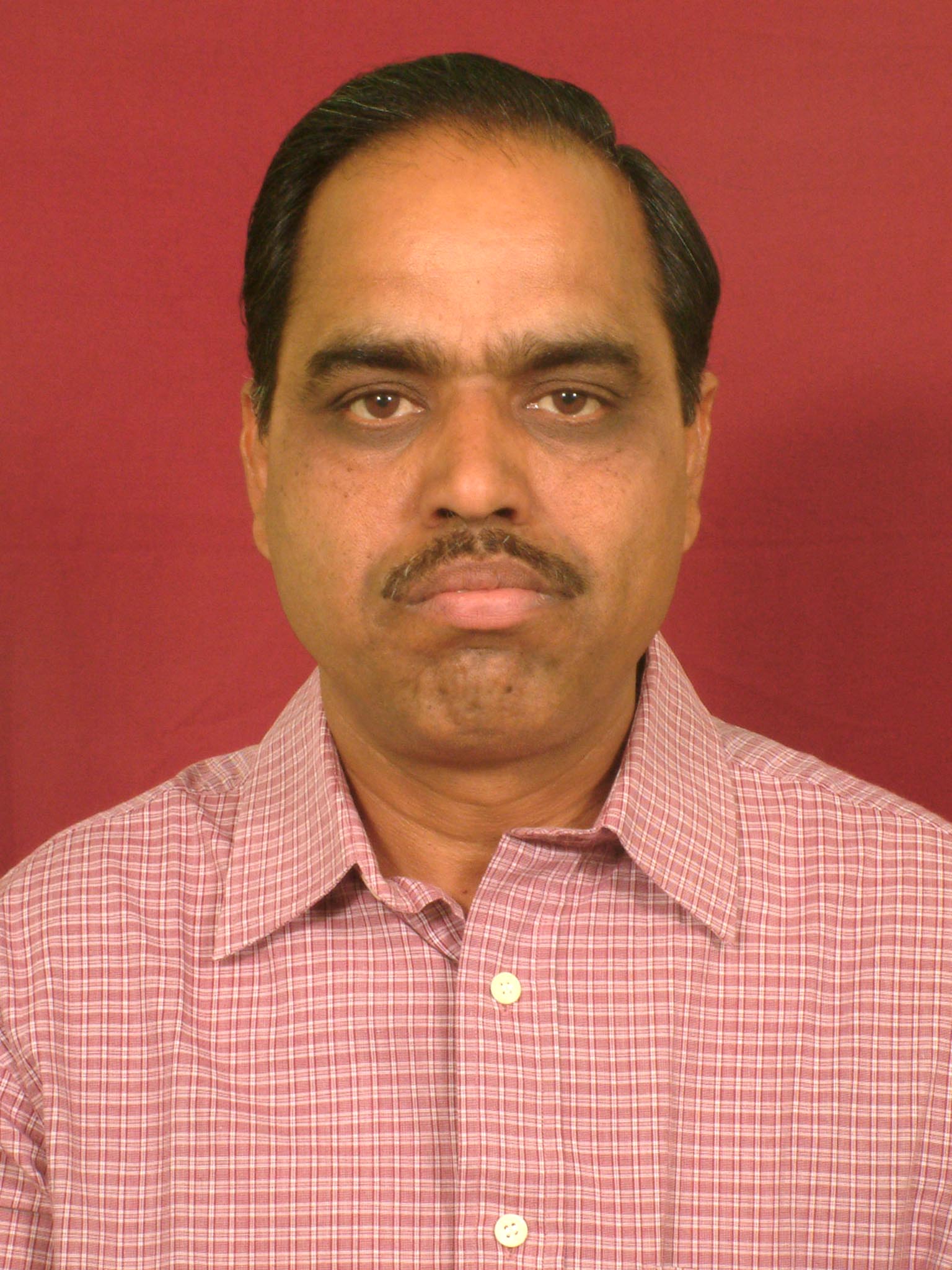
Dr. Jagadish Rane Photo
Dr. Jagadish Rane
ICAR–CIAH directs its research efforts toward developing technologies that enable the establishment of remunerative and sustainable horticultural landscapes in the arid and semi-arid regions of India. Through the development of improved varieties of locally important vegetables and fruit crops, the institute is steadily advancing toward this goal and strengthening its visibility in the region. Numerous technologies—including improved crop varieties, production practices, cropping system models, and value-addition interventions—have been successfully demonstrated across different crops. However, many of these are yet to be widely adopted by farmers. The recently launched Viksit Krishi Sankalp Abhiyan is expected to significantly support the institute in bridging this adoption gap.
While the conventional, “business-as-usual” approach to germplasm collection, characterization, utilization, and the development of production and protection technologies continues, it is equally important to address the pressing need to reduce the indiscriminate use of plant-protection chemicals. Such misuse poses a serious threat to the nation’s “One Health” vision, which encompasses the health of humans, livestock, soil, and beneficial microbiomes. In this context, the scientific validation of emerging organic formulations in the market becomes crucial.
Furthermore, it is essential to remain attentive to insights emerging from advanced laboratories, particularly those exploring plant defence mechanisms. Recent discoveries—such as the role of cold shock proteins (CSPs) in plant immunity—have opened promising new avenues for research and innovation in sustainable plant protection.
Plant defence traditionally relies on structural barriers and biochemical responses, with animal-like immune systems yet to be reported. The emerging concept of plant immunity centres on receptor proteins that can recognise microorganism-specific CSPs. This recognition activates the plant’s internal defence pathways. Because some of these receptors selectively identify CSPs of particular pathogens, they have been termed SCOREs (Selective Cold Shock Protein Receptors).
Among the various SCOREs characterised so far, the receptor identified in pomelo—a fruit of the citrus family—stands out as especially noteworthy. According to scientists from RIKEN, Japan, who reported this discovery (Science, 2025; doi:10.1126/science.adx2508), the pomelo SCORE may provide a new framework for identifying and engineering immune receptors from non-model plants, particularly long-lived perennials with limited genetic tools. Future research is expected to yield enhanced SCORE variants capable of conferring broad-spectrum pathogen resistance to commercially important crops.
While this work advances molecular-biology-enabled crop improvement and offers inspiration to molecular biologists, it also highlights potential leads regarding defensive compounds in citrus fruit crops. Such insights may support the development of organic formulations for early-stage disease management. Progress in this direction could help reduce dependence on chemical plant-protection inputs, which are often linked to concerns about human health and soil degradation in modern agriculture. For citrus growers in arid regions, such innovations also present new opportunities for income enhancement. Beyond fruit production, the utilisation of citrus rinds by industries to develop bio-formulations can promote secondary agriculture and support value-addition pathways that benefit farmers and rural enterprises.


Former Directors
S.No. Name Former Designation Period Photo
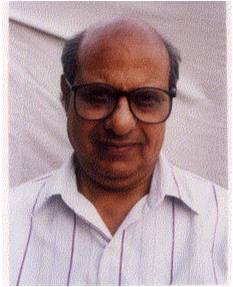
1. Dr. O. P. Pareek Director 29-03-1997 to 22-01-2000 Dr. O. P. Pareek Photo
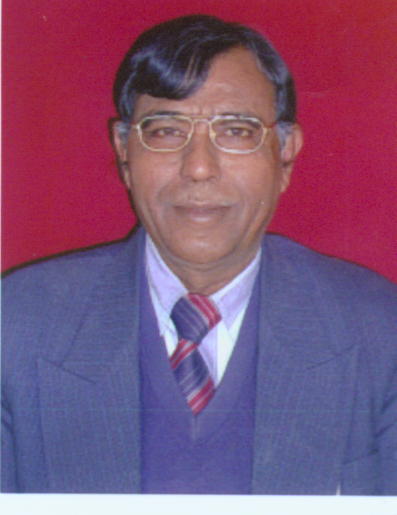
2. Dr. G. B. Raturi Director 22-01-2000 to 24-01-2002 Dr. G. B. Raturi Photo
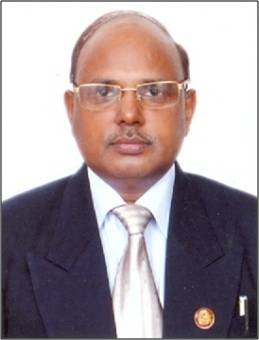
3. Dr. D. G. Dhandar Director 25-04-2002 to 30-09-2006 Dr. D. G. Dhandar Photo
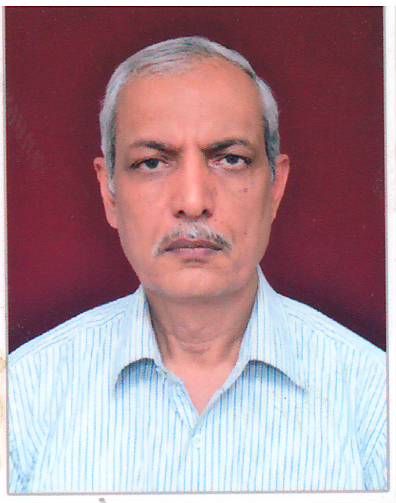
4. Dr. T. A. More Director 20-11-2006 to 15-03-2010 Dr. T. A. More Photo
5. Dr. S. K. Sharma Director 01-09-2010 to 31-03-2016 Dr. S. K. Sharma Photo
6. Dr. P.L. Saroj Director 03-10-2016 to 04-11-2021 Dr. P.L. Saroj Photo
7. Dr. Jagadish Rane Director 23-01-2023 to Present Dr. Jagadish Rane Photo
Former Directors (Officiating)
1 Dr. O. P. Pareek PC&OSD & Acting Director 01-04-1993 to 28-03-1997 Dr. O. P. Pareek Photo
2. Dr. R. S. Singh Acting Director 30-09-2006 to 20-11-2006 Dr. R. S. Singh Photo
3. Dr. B. D. Sharma Acting Director 15-03-2010 to 31-08-2010 Dr. B. D. Sharma Photo
4. Dr. B. D. Sharma Acting Director 01-04-2016 to 02-10-2016 Dr. B. D. Sharma Photo
5. Dr. B. D. Sharma Acting Director 05-11-2021 to 30-05-2022 Dr. B. D. Sharma Photo
6. Dr. D.K. Samadia Acting Director 01-06-2022 to 23-01-2023 Dr. D.K. Samadia Photo

Contact Us

You can contact us in office timings in working days.

 
Mailing Address

ICAR- Central Institute for Arid Horticulture
Sri Ganganagar Highway, Beechhwal,
Bikaner-334 006, Rajasthan


Follow Us On :


ICAR punch lines